
Antique restoration quality furniture represents a fascinating intersection of history, craftsmanship, and enduring beauty. These pieces, often handcrafted with meticulous attention to detail, offer a tangible connection to the past. Their restoration not only preserves a piece of history but also enhances its value and aesthetic appeal, transforming worn heirlooms into cherished family treasures. Understanding the intricacies of antique restoration ensures the longevity and beauty of these unique artifacts.
The process itself is a delicate balance of art and science. Restorers employ a range of techniques, from careful cleaning and repair to the replacement of missing components using historically accurate materials. The goal is not merely to make the furniture look new, but to preserve its original character and integrity, enhancing its inherent beauty while respecting its age and history.
This requires specialized knowledge, skilled craftsmanship, and a deep appreciation for the historical context of the piece.
Antique furniture restoration is more than just a hobby; it’s a meticulous blend of art, science, and historical preservation. Restoring a piece of antique furniture to its former glory requires a deep understanding of wood types, construction techniques, finishes, and the history of the piece itself. This comprehensive guide delves into the intricacies of quality antique furniture restoration, providing insights for both enthusiasts and professionals.
Understanding Your Antique: The First Step to Successful Restoration: Antique Restoration Quality Furniture
Before even touching a tool, a thorough assessment of the antique furniture is crucial. This involves identifying the wood species, the construction methods, the type of finish, and any existing damage. Knowing the age and origin of the piece can also inform restoration decisions, as different eras employed varying techniques.
Identifying Wood Species and Construction Techniques, Antique restoration quality furniture
Identifying the wood species is vital for selecting appropriate cleaning and repair methods. Hardwoods like mahogany, walnut, and cherry require different treatments than softer woods like pine or poplar. Similarly, understanding the joinery – the way the pieces of furniture are joined together – is essential for making repairs that maintain the structural integrity of the piece. Dovetail joints, mortise and tenon joints, and other techniques require specific restoration approaches.
A magnifying glass and a good reference book on antique furniture construction can be invaluable tools.
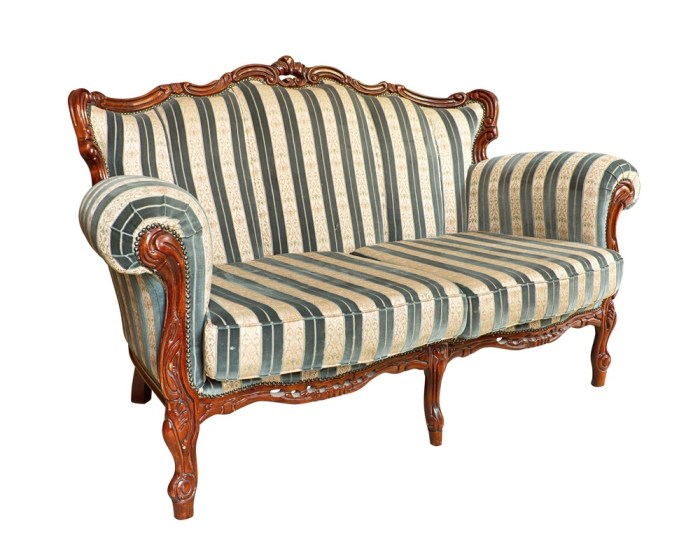
Assessing Damage and Determining a Restoration Plan
A detailed assessment of the damage is paramount. This includes identifying cracks, splits, loose joints, insect infestation (woodworm damage), water damage, and any missing parts. Photographing the damage thoroughly is recommended, both as a record of the piece’s condition before restoration and as a guide throughout the process. Based on this assessment, a comprehensive restoration plan should be developed, outlining the necessary steps and materials.
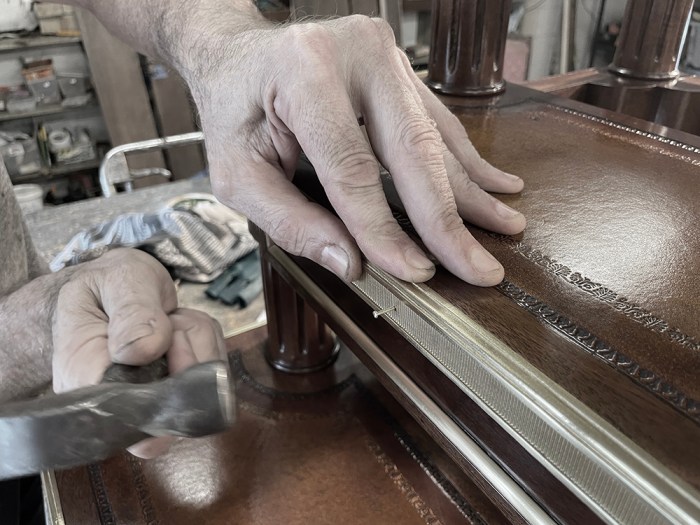
Cleaning and Preparation: The Foundation of Quality Restoration
Cleaning antique furniture requires a gentle approach. Harsh chemicals can damage the finish and the wood itself. Dusting with a soft brush is the first step. For more stubborn dirt, a slightly damp cloth may be used, but avoid excessive moisture. For more serious cleaning, consult a professional conservator or use specialized furniture cleaning products designed for antiques.
Remember, the goal is to clean the piece without causing further damage.
Addressing Woodworm Damage and Other Structural Issues
Woodworm infestation is a common problem with antique furniture. Treatment involves identifying the active infestation and applying appropriate insecticides. This often requires multiple treatments and careful monitoring. For structural issues like loose joints, cracks, or broken pieces, careful repairs are necessary. This may involve using traditional woodworking techniques such as gluing, doweling, or using wood fillers to match the existing wood.
Repairing and Refinishing: Bringing Back the Original Beauty
Repairing damaged areas requires patience and skill. Wood fillers should be carefully matched to the existing wood, and any repairs should be sanded smooth to avoid visible seams. Refinishing antique furniture is a delicate process. The goal is to restore the original finish, not to create a new one. This may involve cleaning and polishing the existing finish, or, in cases of significant damage, stripping the old finish and applying a new one that matches the original as closely as possible.
Always test any cleaning products or finishes in an inconspicuous area first.
Choosing the Right Finishes and Techniques
The type of finish used on antique furniture varies greatly depending on the age and style of the piece. Shellac, lacquer, varnish, and wax are common finishes. Choosing the right finish is crucial for preserving the authenticity of the piece. Applying the finish correctly is also important to avoid runs, drips, or uneven coverage. Techniques like French polishing may be used to achieve a high-quality, even finish.
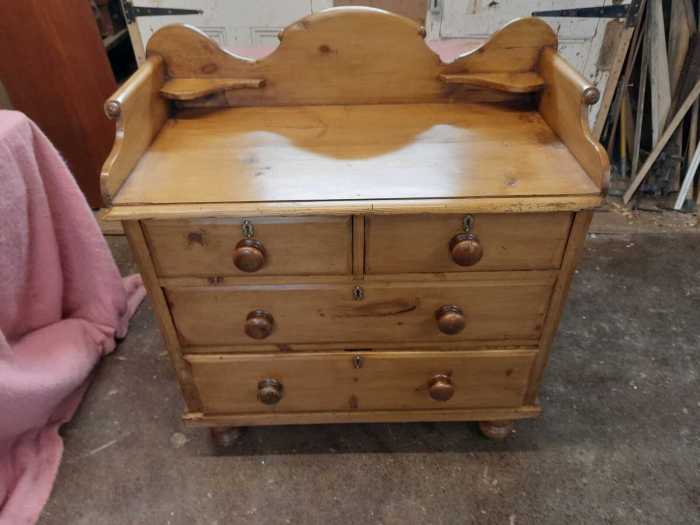
The Importance of Ethical Restoration Practices
Ethical restoration practices prioritize preserving the historical integrity of the antique furniture. This means avoiding unnecessary alterations or additions, and using materials and techniques that are consistent with the original construction methods. It’s important to document all restoration work, including materials used and techniques employed. This documentation can be valuable for future owners and conservators.
Frequently Asked Questions (FAQ)
- Q: How can I identify the age of my antique furniture? A: Look for maker’s marks, construction techniques, and style elements. Consulting antique furniture reference books and experts can be helpful.
- Q: What are the best cleaning products for antique furniture? A: Mild soap and water, or specialized antique furniture cleaning products are generally recommended. Avoid harsh chemicals.
- Q: How can I prevent woodworm damage? A: Regular inspection and treatment with appropriate insecticides are crucial. Maintaining proper humidity levels in your home can also help prevent infestations.
- Q: Should I refinish my antique furniture myself? A: If you lack experience, it’s best to consult a professional. Improper refinishing can damage the piece irreparably.
- Q: Where can I find a reputable antique furniture restorer? A: Check online directories, ask for recommendations from antique dealers or museums, and always get multiple quotes.
Resources
- Victoria and Albert Museum (V&A)
– Provides extensive resources on furniture history and conservation. - National Park Service (NPS)
-Offers information on preserving historic artifacts. - (Add other relevant links to reputable sources on antique furniture restoration and conservation)
Call to Action
Ready to embark on your antique furniture restoration journey? Whether you’re a seasoned professional or a passionate enthusiast, remember that patience, precision, and a respect for the history of the piece are key to achieving quality results. Contact us today to learn more about our antique furniture restoration services or to schedule a consultation.
FAQ
What are the common signs of damage requiring antique furniture restoration?
Common signs include cracks, scratches, water damage, loose joints, faded finishes, and insect infestation.
How much does antique furniture restoration typically cost?
Costs vary greatly depending on the extent of damage, the type of wood, and the complexity of the restoration. It’s best to obtain multiple quotes from reputable restorers.
How can I find a reputable antique furniture restorer?
Seek recommendations, check online reviews, and verify their experience and qualifications. Look for affiliations with professional organizations.