
High-end baroque style furniture represents a pinnacle of craftsmanship and artistry. These pieces, often crafted from the finest materials and featuring intricate details, evoke a sense of grandeur and opulence. From the sweeping curves of ornate chairs to the richly carved details of chests and tables, baroque furniture offers a glimpse into a bygone era of extravagance and refined taste.
Understanding the history and characteristics of this style allows us to appreciate the skill and artistry involved in its creation and the enduring legacy it holds.
The inherent value of high-end baroque furniture extends beyond its aesthetic appeal. These pieces are often considered valuable investments, appreciating in value over time due to their rarity, craftsmanship, and historical significance. Furthermore, the use of high-quality materials ensures durability, allowing these pieces to be enjoyed and passed down through generations. Collectors and enthusiasts alike are drawn to the unique blend of history, artistry, and investment potential that high-end baroque furniture offers.
Baroque furniture, synonymous with extravagance and grandeur, continues to captivate design enthusiasts. This style, flourishing in Europe from the late 16th to mid-18th centuries, is characterized by its ornate details, rich materials, and dramatic curves. However, “high-end Baroque” signifies a level beyond the typical; it represents the pinnacle of craftsmanship, using the finest materials and showcasing unparalleled artistry.
This article delves into the defining characteristics, historical context, and modern interpretations of this opulent style, guiding you through the world of truly exceptional Baroque furniture.
Defining Characteristics of High-End Baroque Furniture
High-end Baroque furniture transcends mere aesthetics; it’s a testament to skilled artistry and the use of premium materials. Several key features distinguish it from more commonplace Baroque pieces:
Materials of Unparalleled Quality
- Wood: Expect richly grained hardwoods like mahogany, walnut, cherry, and ebony, often meticulously chosen for their figure and color. These woods are carefully selected and seasoned for years before crafting, ensuring stability and longevity.
- Inlays: Intricate inlays of ivory, mother-of-pearl, precious metals (gold, silver), and semiprecious stones elevate the pieces to breathtaking levels of detail. These inlays often depict floral motifs, mythological scenes, or geometric patterns.
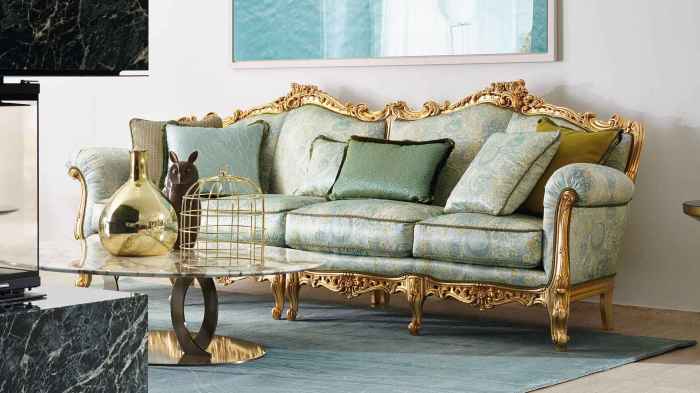
- Upholstery: High-end Baroque furniture frequently features luxurious upholstery fabrics like silk damask, velvet, and brocade, often in deep, rich colors. The quality of the fabric and the precision of the upholstery work are paramount.
- Metalwork: Ornate gilt bronze mounts, finely cast and chased, are a hallmark of high-end Baroque. These decorative elements add a layer of shimmering opulence and further enhance the piece’s visual impact.
Craftsmanship and Detailing
The craftsmanship is exceptional. High-end pieces showcase meticulous hand-carving, often featuring intricate details like acanthus leaves, cherubs, scrolls, and shell motifs. The joinery is impeccable, reflecting the dedication and skill of master craftsmen. Every curve, every detail, is carefully considered and executed with precision.
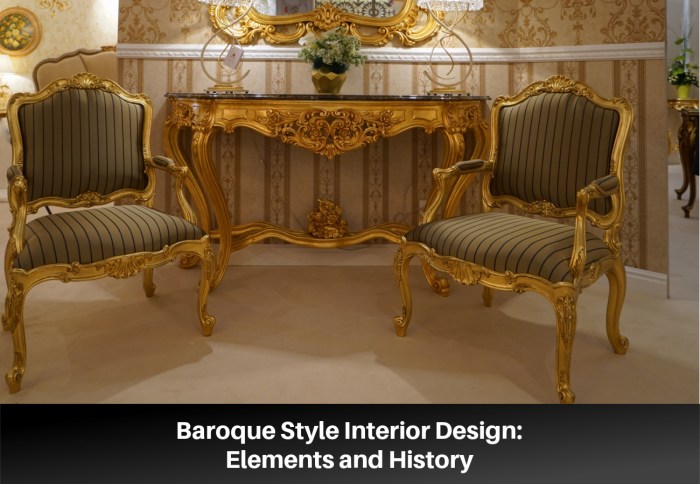
Scale and Proportion, High-end baroque style furniture
High-end Baroque pieces often command attention through their impressive scale and proportions. They are not merely functional; they are statement pieces designed to impress and evoke a sense of grandeur. The dimensions are generous, and the overall design is bold and dramatic.
Historical Context: The Rise of Baroque Style: High-end Baroque Style Furniture
The Baroque period (roughly 1600-1750) saw a flourishing of artistic expression across Europe, reflecting the power and wealth of monarchs and the Catholic Church. The style is characterized by its dynamism, extravagance, and theatricality, a stark contrast to the restrained elegance of the preceding Renaissance.
Key influences on Baroque furniture include:
- Italian Baroque: Characterized by its opulent use of materials, dramatic curves, and intricate ornamentation.
- French Baroque: Often more restrained than its Italian counterpart, emphasizing elegance and symmetry.
- Spanish Baroque: Known for its rich, dark woods and elaborate carvings, often incorporating religious themes.
Notable examples of high-end Baroque furniture can be found in royal palaces and aristocratic residences across Europe. Many of these pieces are now preserved in museums and private collections, serving as testaments to the artistry and craftsmanship of the era.
Modern Interpretations of High-End Baroque Furniture
Today, high-end Baroque furniture continues to inspire designers. While modern interpretations may incorporate contemporary materials and techniques, they retain the core elements of the style: ornate detailing, luxurious materials, and dramatic curves. These pieces often blend classic Baroque aesthetics with modern sensibilities, creating a unique and sophisticated look.
Modern interpretations might include:
- Use of contemporary materials: While traditional hardwoods remain popular, some designers incorporate other high-quality materials like lacquered wood or polished metals.
- Simplified ornamentation: Some modern pieces retain the essence of Baroque style with less intricate detailing, creating a cleaner, more contemporary feel.
- Blending with other styles: High-end Baroque elements are sometimes incorporated into furniture pieces that blend with other styles, such as neoclassical or Art Deco.
Caring for Your High-End Baroque Furniture
Owning a piece of high-end Baroque furniture is a privilege requiring proper care and maintenance. Here are some key considerations:
- Regular dusting: Use a soft, dry cloth to regularly dust the furniture, avoiding harsh chemicals or abrasive cleaners.
- Protecting from sunlight: Direct sunlight can fade the wood and upholstery, so position your furniture away from direct sunlight.
- Climate control: Maintain a stable temperature and humidity level to prevent warping or cracking of the wood.
- Professional cleaning: For deep cleaning or upholstery maintenance, consult a professional furniture cleaner specializing in antique or high-end pieces.
Frequently Asked Questions (FAQ)
- Q: How can I identify authentic high-end Baroque furniture? A: Look for hallmarks of high-quality materials (e.g., richly grained hardwoods, intricate inlays), exceptional craftsmanship (meticulous carving, impeccable joinery), and bold, dramatic proportions. Consulting with an antiques expert can provide further authentication.
- Q: How much does high-end Baroque furniture cost? A: The cost varies greatly depending on the age, condition, materials, and craftsmanship of the piece. Authentic antique pieces can command prices ranging from thousands to millions of dollars. High-quality reproductions can also be significantly expensive.
- Q: Where can I find high-end Baroque furniture? A: You can find high-end Baroque furniture at reputable antique dealers, auction houses, and specialized furniture galleries. Some high-end interior design firms also offer custom-made pieces inspired by the Baroque style.
- Q: How do I incorporate Baroque style into my modern home? A: Start with a single statement piece, such as a richly carved console table or an ornate mirror. Balance the opulence of Baroque with simpler, more contemporary elements to prevent the space from feeling overwhelming.
Resources
- The Metropolitan Museum of Art (Extensive collection of European decorative arts)
- Victoria and Albert Museum (Extensive collection of furniture and decorative arts)
- Christie’s Auction House (Regular auctions featuring high-end antique furniture)
Call to Action
Ready to add a touch of regal elegance to your home? Explore the world of high-end Baroque furniture and discover the timeless beauty and unparalleled craftsmanship that defines this extraordinary style. Contact us today to discuss your design needs and discover how we can help you acquire or commission a truly exceptional piece.
Question Bank
What are the common materials used in high-end baroque furniture?
High-end baroque furniture often utilizes richly figured hardwoods like mahogany, walnut, and cherry, frequently inlaid with other precious woods, ivory, or mother-of-pearl. Gilding and elaborate metalwork are also common.
How can I authenticate a piece of baroque furniture?
Authenticating baroque furniture requires expertise. Consult reputable antique dealers, appraisers, or furniture historians. Examine construction techniques, materials, and any maker’s marks for clues. Provenance documentation is invaluable.
How should I care for high-end baroque furniture?
Proper care is crucial. Avoid direct sunlight and temperature extremes. Dust regularly with a soft cloth. Use specialized furniture polish designed for fine finishes. For significant repairs or restoration, consult a qualified professional.