
Classic handcrafted Italian furniture represents a timeless blend of artistry and craftsmanship. These pieces, often passed down through generations, embody a rich history of design innovation and meticulous detail. From the elegant curves of a Baroque armchair to the clean lines of a mid-century modern credenza, each piece tells a story of skilled artisans and enduring style. This exploration delves into the world of these exquisite creations, examining their unique characteristics and lasting appeal.
The enduring allure of classic Italian furniture stems from a confluence of factors: the use of high-quality materials like richly grained hardwoods and luxurious leathers; the dedication to traditional techniques passed down through family workshops; and the inherent elegance of Italian design principles. The result is furniture that is not merely functional but also a testament to artistry and a reflection of enduring Italian style.
Italian furniture holds a prestigious position in the world of design, renowned for its exquisite craftsmanship, timeless elegance, and enduring quality. This article delves into the captivating world of classic handcrafted Italian furniture, exploring its rich history, the meticulous processes involved in its creation, the diverse styles represented, and the reasons behind its enduring appeal. We’ll also touch upon key considerations for purchasing and caring for these heirloom-quality pieces.
A Legacy of Craftsmanship: The History of Italian Furniture Making
The history of Italian furniture is deeply intertwined with the country’s artistic and cultural heritage. From the Renaissance period onwards, skilled artisans have produced pieces that seamlessly blend functionality with artistic expression. The influence of prominent artistic movements, such as the Baroque, Rococo, and Neoclassical styles, is evident in the intricate carvings, opulent materials, and sophisticated designs characteristic of classic Italian furniture.
Early examples often featured intricate marquetry, hand-painted details, and the use of precious woods like walnut, cherry, and mahogany. These pieces weren’t simply functional; they were works of art, reflecting the wealth and status of their owners.
Key Periods and Styles:, Classic handcrafted Italian furniture
- Renaissance (14th-16th centuries): Characterized by simple yet elegant designs, often incorporating classical motifs and emphasizing functionality.
- Baroque (17th-18th centuries): Known for its ornate detailing, rich embellishments, and dramatic curves. Think lavish gold leaf, intricate carvings, and luxurious fabrics.
- Rococo (18th century): A lighter, more playful style than Baroque, featuring delicate curves, pastel colors, and shell-like motifs.
- Neoclassical (late 18th-early 19th centuries): A return to classical Greek and Roman forms, emphasizing symmetry, order, and restrained elegance.
- Mid-Century Modern (20th century): While not strictly “classic,” some Italian designs from this era, particularly those incorporating clean lines and minimalist aesthetics, are now considered highly collectible.
The Art of Handcrafting: Materials and Techniques
The enduring appeal of classic Italian furniture lies not only in its design but also in the meticulous craftsmanship involved in its creation. Many pieces are still made using traditional techniques passed down through generations of artisans. This dedication to quality is evident in every detail, from the selection of materials to the final finishing touches.
Premium Materials:
- Wood: High-quality hardwoods such as walnut, cherry, oak, and mahogany are favored for their durability, beauty, and rich grain patterns. The wood is carefully selected, seasoned, and often hand-carved.
- Leather: Full-grain leather is often used for upholstery, chosen for its luxurious feel, durability, and ability to age gracefully.
- Marble and Stone: These materials are frequently used for tabletops, bases, and decorative elements, adding a touch of opulence and sophistication.
- Metals: Brass, bronze, and iron are often used for hardware, decorative accents, and structural elements, adding a touch of warmth and elegance.
Traditional Techniques:
- Dovetail Joinery: This strong and aesthetically pleasing joinery technique is a hallmark of quality craftsmanship.
- Hand-Carving: Intricate carvings add a level of artistry and detail that is difficult to replicate with modern machinery.
- Marquetry: This intricate inlay technique involves arranging small pieces of wood or other materials to create decorative patterns.
- Hand-Finishing: The final finishing touches, including polishing, waxing, and lacquering, are often done by hand to ensure a flawless finish.
Identifying Authentic Italian Handcrafted Furniture
With the increasing popularity of Italian furniture, it’s crucial to be able to identify authentic handcrafted pieces. Look for the following indicators:
- High-Quality Materials: Authentic pieces will use premium materials, such as solid hardwoods and full-grain leather.
- Superior Craftsmanship: Examine the joinery, carvings, and overall construction. Look for signs of meticulous attention to detail.
- Authenticity Marks: Some manufacturers may include stamps, labels, or certificates of authenticity.
- Provenance: If possible, try to trace the history of the piece to verify its origin.
- Price Point: Authentic handcrafted Italian furniture is typically expensive, reflecting the high cost of materials and labor.
Styles and Types of Classic Italian Furniture
Classic Italian furniture encompasses a wide range of styles and types of pieces, each with its own unique characteristics. Some popular examples include:
- Dining Tables: Often made from solid wood with intricate carvings or inlaid details.
- Chairs: From elegant dining chairs to comfortable armchairs, often upholstered in fine leather or fabric.
- Chests of Drawers: These can be ornate and decorative, featuring intricate carvings and hand-painted details.
- Beds: Often made from solid wood with elegant headboards and footboards.
- Consoles and Sideboards: These pieces are often used for storage and display, and can be highly decorative.
- Armoires and Wardrobes: These large storage pieces often feature intricate carvings and ornate hardware.
Caring for Your Classic Italian Furniture: Classic Handcrafted Italian Furniture
Proper care is essential to preserve the beauty and longevity of your classic Italian furniture. Here are some tips:
- Regular Dusting: Use a soft cloth to regularly dust your furniture, avoiding harsh chemicals.
- Leather Care: Condition leather upholstery regularly to keep it supple and prevent cracking.
- Wood Care: Use a wood polish or conditioner as needed to maintain the finish.
- Avoid Direct Sunlight: Prolonged exposure to direct sunlight can fade the finish and damage the wood.
- Protect from Moisture: Keep your furniture away from sources of moisture to prevent warping or damage.
Frequently Asked Questions (FAQ)
- Q: How can I tell if a piece of Italian furniture is authentic? A: Look for high-quality materials, superior craftsmanship, authenticity marks, and a verifiable provenance. The price point should also reflect the high cost of materials and labor.
- Q: How much does classic Italian handcrafted furniture cost? A: The cost varies greatly depending on the age, style, materials, and craftsmanship. Expect to pay a significant premium for authentic handcrafted pieces.
- Q: Where can I buy authentic Italian handcrafted furniture? A: You can find authentic pieces through reputable antique dealers, specialized furniture stores, and online marketplaces. Be sure to do your research and verify the authenticity of any piece before purchasing.
- Q: How do I care for my Italian furniture? A: Regular dusting, leather conditioning, wood polishing, and protection from sunlight and moisture are key to maintaining its beauty and longevity.
- Q: What are the most popular styles of classic Italian furniture? A: Popular styles include Renaissance, Baroque, Rococo, and Neoclassical, each with distinct characteristics.
Discover the Timeless Elegance of Italian Handcrafted Furniture
Investing in classic handcrafted Italian furniture is an investment in enduring quality, timeless style, and a piece of history. With proper care, these pieces can be treasured for generations to come. Contact us today to explore our collection and discover the perfect piece to enhance your home.
FAQs
How can I tell if a piece is truly handcrafted?
Look for subtle imperfections and variations—these are hallmarks of handcrafted work, unlike the uniformity of mass-produced pieces. Examine the joinery; hand-carved details are often more intricate and less uniform than machine-made ones. A reputable dealer can also provide provenance and verification.
What are the typical woods used in classic Italian furniture?
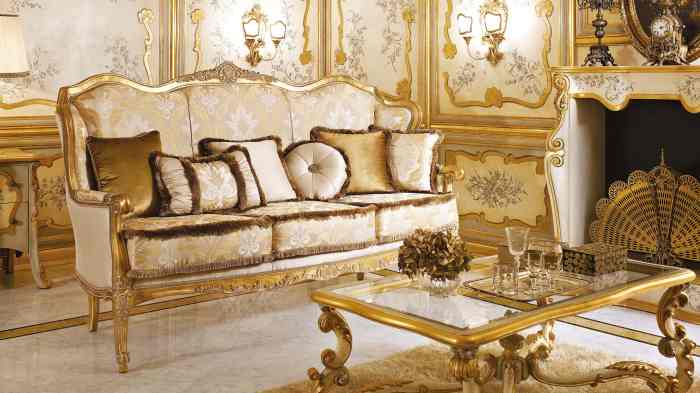
Commonly used woods include walnut, cherry, oak, and mahogany. The choice of wood often depends on the style and period of the piece.
How do I care for classic handcrafted Italian furniture?
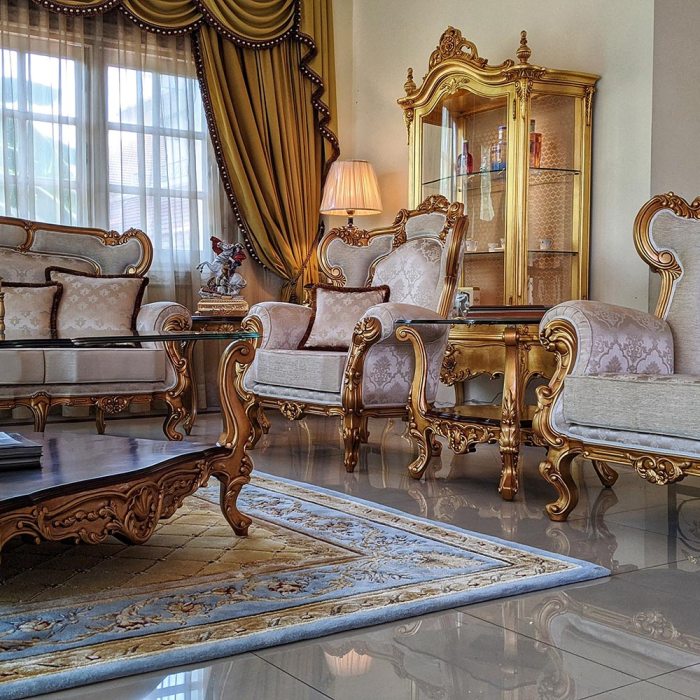
Regular dusting with a soft cloth is essential. Avoid harsh chemicals and abrasive cleaners. For wood, consider using a specialized furniture polish. Upholstered pieces may require professional cleaning periodically.