
Luxury hand-carved side tables represent more than just furniture; they are exquisite works of art that elevate any space. These meticulously crafted pieces, often made from rare and beautiful hardwoods, showcase the skill and artistry of master artisans. The intricate carvings, whether delicate floral patterns or bold geometric designs, transform a simple side table into a statement piece, adding a touch of opulence and sophistication to your home décor.
Their enduring appeal lies in their unique blend of functionality and aesthetic beauty, promising to be cherished heirlooms for generations to come.
The creation of these tables involves a labor-intensive process, beginning with the careful selection of high-quality wood. Skilled artisans then employ traditional techniques, honed over years of practice, to bring the designs to life. Each curve, each detail, is painstakingly hand-carved, resulting in a piece that is both visually stunning and incredibly durable. The final product is often finished with a protective layer of high-quality varnish or lacquer, enhancing the natural beauty of the wood and protecting it from the elements.
Luxury hand-carved side tables transcend mere functionality; they are statement pieces, exquisite works of art that elevate any interior. These meticulously crafted tables, often made from rare and precious woods, represent a pinnacle of craftsmanship and design, adding a touch of unparalleled sophistication to living spaces. This comprehensive guide delves into the world of luxury hand-carved side tables, exploring their history, materials, design styles, care, and the reasons why they remain a coveted investment.
A Legacy of Craftsmanship: The History of Hand-Carved Furniture
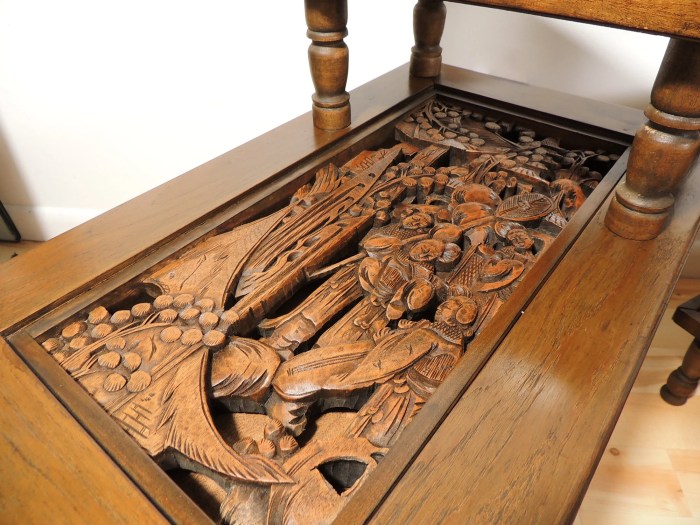
The tradition of hand-carving furniture dates back centuries, with examples found in various cultures across the globe. From the ornate details of antique Chinese tables to the intricate carvings of European Baroque pieces, the art of hand-carving has consistently reflected the aesthetic sensibilities and technological capabilities of its time. The process, demanding both skill and patience, involves shaping wood using specialized tools, often creating intricate patterns, floral motifs, geometric designs, or even scenes from mythology or nature.
This painstaking attention to detail is what sets hand-carved furniture apart, imbuing each piece with a unique character and undeniable charm.
The Evolution of Design: From Classic to Contemporary
While traditional styles, such as Rococo, Victorian, and Art Deco, continue to inspire contemporary designs, modern hand-carved side tables often incorporate a blend of old-world techniques with innovative aesthetics. Clean lines, minimalist forms, and the use of unconventional materials alongside traditional hardwoods are common features in modern interpretations. The versatility of hand-carving allows for a broad spectrum of design choices, catering to diverse tastes and interior styles.
Whether you prefer the opulence of a richly detailed Baroque table or the understated elegance of a minimalist contemporary piece, a hand-carved side table can be seamlessly integrated into any decor scheme.
The Exquisite Materials: Woods and Finishes
The choice of wood significantly impacts the aesthetic and longevity of a hand-carved side table. Luxury pieces often feature rare and exotic hardwoods known for their beauty, durability, and unique grain patterns. Some of the most sought-after woods include:
- Mahogany: Renowned for its rich reddish-brown hue and lustrous finish, mahogany is a classic choice for luxury furniture.
- Rosewood: Highly prized for its striking grain patterns and warm tones, rosewood is another popular choice for hand-carved pieces.
- Ebony: With its deep black color and dense grain, ebony lends an air of sophistication and timeless elegance.
- Cherry: Known for its rich reddish-brown tones that deepen with age, cherry is a durable and visually appealing hardwood.
- Walnut: Offering a range of colors from light brown to dark chocolate, walnut is valued for its strength and beautiful grain patterns.
Beyond the wood itself, the finish plays a crucial role in enhancing the beauty and protecting the table. High-quality finishes, such as hand-rubbed oil or lacquer, not only enhance the wood’s natural beauty but also provide a protective layer against damage and wear.
Design Styles and Considerations for Your Home
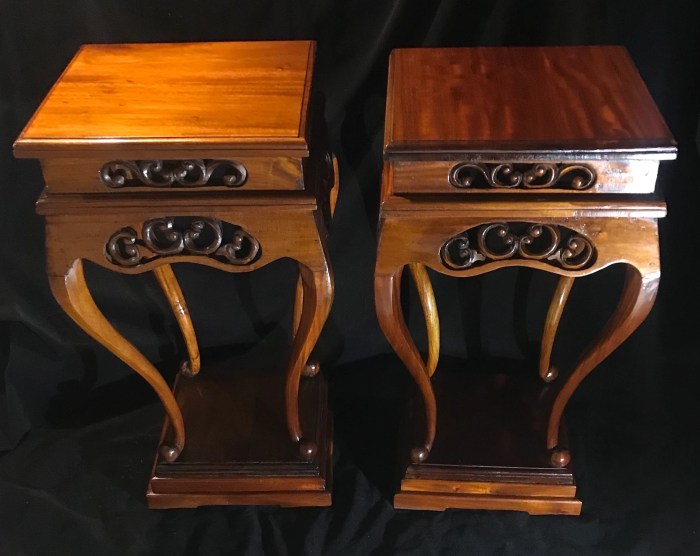
Choosing the right hand-carved side table involves considering your existing décor, the available space, and your personal preferences. Several factors influence the overall aesthetic:
Size and Scale: Proportion and Placement
The size of the table should be proportionate to the surrounding furniture and the room’s dimensions. A small, intricately carved table might be perfect for a cozy reading nook, while a larger, more substantial piece could serve as a focal point in a spacious living room. Consider the height of the sofa or chairs where the table will be placed to ensure comfortable reach.
Style and Aesthetics: Complementing Your Decor, Luxury hand-carved side tables
Hand-carved side tables are available in a vast array of styles, from ornate and traditional to minimalist and contemporary. Consider the overall style of your home when making your selection. A rustic-style home might benefit from a table with a more natural, less polished finish, while a modern home might be better suited to a sleek, minimalist design.
Functionality and Storage: Practical Considerations
While aesthetics are paramount, consider the table’s functionality. Does it need drawers for storage? Does it need to accommodate lamps or other accessories? Think about the practical aspects of the table’s use to ensure it meets your needs.
Caring for Your Investment: Maintenance and Preservation
Hand-carved side tables represent a significant investment. Proper care and maintenance are crucial to preserving their beauty and longevity. Regular dusting with a soft cloth is essential, and avoiding harsh chemicals or abrasive cleaners is vital. For more significant cleaning, a slightly damp cloth can be used, followed by thorough drying. Protecting the table from direct sunlight and extreme temperature fluctuations can also help prevent damage.
The Value of a Hand-Carved Side Table: An Investment in Art and Heritage
A luxury hand-carved side table is more than just a piece of furniture; it’s a work of art, a testament to the skill and dedication of the artisan who created it. It represents a tangible connection to a rich history of craftsmanship and a commitment to quality that transcends fleeting trends. Investing in a hand-carved side table is investing in a piece that will not only enhance your home’s aesthetic appeal but also appreciate in value over time, becoming a cherished heirloom to be passed down through generations.
Frequently Asked Questions (FAQs): Luxury Hand-carved Side Tables
- Q: How much does a luxury hand-carved side table cost? A: The price varies greatly depending on the wood type, intricacy of the carving, size, and the artisan’s reputation. Expect to pay several hundred to several thousand dollars, or even more for exceptional pieces.
- Q: How do I clean a hand-carved side table? A: Use a soft, dry cloth for regular dusting. For more thorough cleaning, use a slightly damp cloth and immediately dry the surface. Avoid harsh chemicals and abrasive cleaners.
- Q: How durable are hand-carved side tables? A: When made with high-quality materials and proper craftsmanship, hand-carved side tables are incredibly durable and can last for generations with proper care.
- Q: Where can I find a luxury hand-carved side table? A: You can find them at high-end furniture stores, antique shops, online marketplaces specializing in handcrafted furniture, and directly from artisans.
- Q: What are the benefits of owning a hand-carved side table? A: Beyond their aesthetic appeal, they add value to your home, represent a unique piece of art, and can become cherished family heirlooms.
References
While specific sources for hand-carved side table pricing and artisan details are difficult to cite publicly due to the bespoke nature of these items and the privacy of artisans, general information on wood types and furniture care can be found at resources like:
- Wood Database (for information on various wood types)
- The Spruce (for furniture care tips)
Call to Action
Ready to elevate your home with the timeless elegance of a luxury hand-carved side table? Browse our curated collection today and discover the perfect piece to complement your style and create a truly unforgettable space.
FAQ Guide
What types of wood are commonly used for luxury hand-carved side tables?
A variety of hardwoods are used, including mahogany, cherry, walnut, and oak, often chosen for their durability, beauty, and ability to hold intricate carvings.
How do I care for my hand-carved side table?
Regular dusting with a soft cloth is recommended. Avoid using harsh chemicals or abrasive cleaners. For more serious cleaning, consult a professional furniture restoration specialist.
What is the average lifespan of a luxury hand-carved side table?
With proper care, a high-quality hand-carved side table can last for generations, becoming a cherished family heirloom.